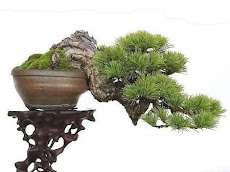
The Chinese were the first people who grow bonsai plants. Later on it spread to Japan and Korea before Western countries started learning the technique. There are many types of trees that can be made into bonsai and you need to know them if you want to grow bonsai. After you identify the tree that will be made into bonsai, there are certain monitoring and caring techniques that should be implemented to keep the tree grows healthily.
In general, the main purpose of many people in growing bonsai trees is to decorate their house and garden. Bonsai basically has the same characteristics as the ordinary trees, while the main difference is obviously its size. There is certain knowledge and experience that you should have to grow bonsai because the way to grow bonsai is not the same as growing ordinary trees.
Many people are afraid to grow bonsai trees because they think that it is a challenging thing to do. It is true that growing bonsai is not walking in the park activity, but there are certain steps that you can follow. When you understand these steps and have sufficient experience, you will realize that growing bonsai is fun and relaxing. If you still feel uncomfortable, then you should start with beginner bonsai trees to practice and gain experience. Do not be afraid to make mistakes because bonsai making is an art and you will learn from those mistakes.
For beginner bonsai trees, you may want to try growing juniper bonsai. This tree is easy to grow and train, but also has a pleasant appearance. Another alternative is the Japanese maple. You can get these trees from nurseries or buy online. It is better if you buy from nurseries so you can check and be sure of the condition of the tree. If you select a healthy plant in the beginning, you will decrease a lot of problems in the future.
Activities in growing bonsai
There are several activities that you should be aware of in growing bonsai trees. The first is that you should repot the tree every one or two years, preferably during early spring. Potting compost with a mix of sand or grit should be ready at hand to replace the soil. During repotting, it is a good idea to prune the roots of the tree as well. Bonsai grows in a small pot and over time the roots can become compacted inside the small pot. Therefore, you should prune these roots to release the pressure and also to keep the tree small.
Proper watering is another key activity in growing bonsai. The soil of most bonsai trees has to be kept moist all the time because dry soil will kill the bonsai easily. However, too much water is also harmful because it can rot the roots and kill the plant. Finding the balance is essential in this case. In addition, bonsai pots should have sufficient number of drain holes so water can drain properly.
Bonsai also needs sufficient amount of sunlight to grow properly. It is recommended that it receives three to six hours of sunlight everyday. The last activity that you should know is pruning the crown of the bonsai. The main attractiveness of a bonsai is its appearance and thus you should maintain its beautiful appearance by pruning the crown regularly. This pruning is also important to restrict the growth of the tree.
About the Author
Cindy Heller is a professional writer. For more tips on growing bonsai trees, please visit indoor bonsai care.