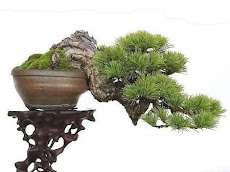
By: Andrew Kozlowski
One of the most important elements of bonsai care is re-potting. Because a bonsai tree grows in a container, its root system, which grows right along with the plant, will eventually outgrow the pot. When this happens, the root system of the bonsai fills the container, the tree becomes “pot-bound,” and the feeder roots that absorb water and nutrients then have no room to grow.
To keep your bonsai healthy, you’ll need to re-pot with fresh soil. And while re-potting, you’ll have a chance to trim the root ball to allow it to become denser. A smaller but denser root ball is better for the tree because the emerging fine feeder roots act more efficiently than larger roots.
How do you know when it’s time to re-pot? You will know your tree is pot-bound if roots are circling the bottom of the pot or growing out of the drainage holes at the container’s base, and water is taking a long time to filter into the soil. Depending on the species, the size of the container, and the age of the tree, most bonsai need to be re-potted every two-to-five years. Faster growing and younger trees require re-potting more frequently than older bonsai.
The best time to re-pot most bonsai trees is at the end of the plant’s dormant period in the early spring. The re-potting process will stress the tree less at this time as it is only providing minimal nutrients to its leaves. Re-potting in early spring will also all the roots time to repair themselves by the time the tree starts growing again.
The following are tips on how to re-pot your bonsai:
Pick out a new container for your bonsai. It should be slightly larger than the original pot and of a shape and color that complement the growing tree.
Tilt your bonsai tree’s current pot to one side and tap the bottom to loosen the soil so you can lift out the plant. If it’s stuck, use a knife to cut away any caked soil. Do not tug on the plant!
Gently shake the tree to get rid of loose soil, and then using a root hook, root rake, knitting needles, or chopsticks, untangle the roots.
Using a sharp, clean pair of gardening scissors, trim the thickest, longest brown roots. (You can buy special bonsai root-pruning scissors.) Also remove any rotten or dried-out roots. Then trim the thinner roots that hang below the depth of the pot.
Cover the drainage holes of the new pot with a layer of plastic mesh attached with copper wire, and cover with a layer of grit or gravel for the best drainage.
Cover the gravel with a light base of nutrient-rich potting soil.
Place the tree near the center of the pot and fill the container with more soil, up to the base of the trunk. Pat the soil down so there are no air pockets between the roots.
Water gently but thoroughly, but do not add fertilizer for at least two weeks after re-potting because it can burn the roots. Make sure the re-potted tree is not exposed to direct sunlight or freezing temperatures.
About The Author
Andrew Kozlowski is a naturalist, amateur botanist, and author of articles and books on topics ranging from plant care and gardening to home downsizing. For more than 20 years Andrew has managed environmental programs in the U.S., Europe, Africa, and Latin America. He resides in San Francisco.
The author invites you to visit: http://www.bonsaitreeanswers.com
Friday, January 28, 2011

Saturday, June 12, 2010
4 Top Tips For Stunning Bonsai

Photo By: www.growing-bonsai.com
Story By: Niall Mehaffey
Many people think that growing bonsai is very hard but in actual fact, it is only hard if you do not have the correct knowledge and guidance, when you have those things, it is easy.
Here are five tips to help you grow better looking bonsai:
1) Choose the right pot. The pot you put your bonsai tree into is important as it needs to support the tree and also it can make a difference to how it looks. Take into consideration the size and shape of your tree when choosing a pot for it.
2) Remember that different seasons have different affects. Different times of the year will play a role in how your bonsai trees develop and grow, make sure you know what conditions require additional care.
 3) Know in advance what outcome you would like for your trees.
Bonsai can be shaped and manipulated in order to appear differently and take on different shapes, you should know what way you would like your trees to look before growing them too large.
4) The display is everything. When you take the time and effort to grow a bonsai tree, you get a nice sense of satisfaction, however, that can be ruined be not giving your tree perfect placement in order to let it's beauty shine through.
There you are, four top tips to help you grow stunning bonsai trees.
Growing bonsai is not as hard as you may think, if you have the right information, you can grow them juts as easily as anyone else.
Start growing your own bonsai today!
How can you get started today?
Easy, research and find out exactly how to grow the bonsai tree of your dreams, get the materials you need to do it and start growing, once you get into it, you will find that it becomes very enjoyable and when you have your first plant, you will get a great feel of satisfaction.
About The Author
Niall Mehaffey is a bonsai enthusiast and runs a website that will show you exactly how you can grow stunningly beautiful bonsai trees, just like the experts do, check it out at http://www.BonsaiTreeCareInfo.com.
Subscribe to:
Posts (Atom)